
Date
According to the Oxford English Dictionary the earliest evidence of the word “authentic” dates to around 1387, so while the concept of “authenticity” itself isn’t new, the anthropomorphic way it’s now applied to how an organisation acts is relatively recent. And at Aéto we think that’s a good thing – only when an organisation knows its authentic self does it behave in a way that’s authentic. We’ve seen some organisations do this brilliantly while others flounder.
On a grey Friday in November 2024, Aéto visited one of the brilliant examples at what Fast Company have suggested might be “the most beautiful factory ever built”. The company Vitsœ + Zapf was founded in 1959 in Germany by Danish furniture dealer Niels Vitsœ and German industrial designer Otto Zapf to produce furniture designed by the now celebrated modernist product designer Dieter Rams. At the time, Rams was working for the consumer products company Braun. When Zapf left the company in 1969, it was renamed simply Vitsœ.
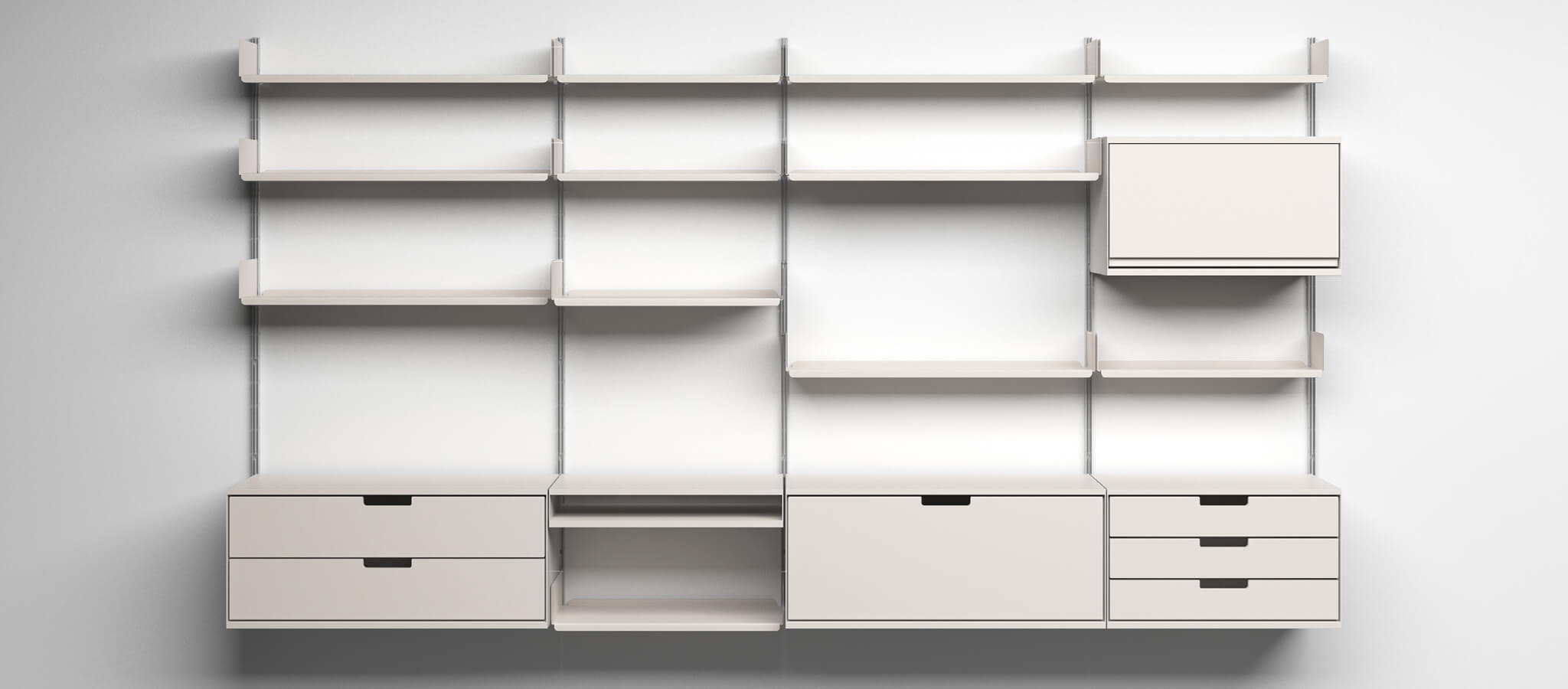
In 1985, while working in a small design store in the West End of London, 25-year-old Mark Adams spotted one of the Rams’ shelving units and was in awe. The system is based around one standardised aluminium wall track with a range of folded painted steel shelves, drawer units and desks that hang from the upright tracks with simple aluminium pins. When the store folded and closed three months later, an ambitious Adams flew to Germany with a proposition for Niels Vitsœ: give him the exclusive rights to import and sell the brand’s furniture in the UK. To his surprise, Vitsœ agreed.
But by 1993 and with Niels turning 80, Vitsœ also found itself struggling financially, so they approached Adams and asked if he would step in as Managing Director. He accepted and did what he could, but within two years the company was forced to close. Adams, however, wasn’t ready to accept defeat. He bought the business and acquired sole ownership, shifting the manufacturing base to the UK and making Vitsœ an entirely British company.
In the nearly 30 years since, he has built a revered brand and a respected global customer base yet hasn’t launched a single new product, choosing instead to focus on making the original Dieter Rams 606 Universal Shelving System collection of products and components better, and then better again. Adams based operations in North London until expansion meant they outgrew their Victorian warehouse HQ.
It also became clear that the cost of living in the capital, compounded by the impact of Brexit, was making it increasingly hard to find and retain the right team around him, and so with a heavy heart, he decided to relocate out of London. He took a rather unique approach to this, mapping the location of all Vitsœ’s UK suppliers and in an attempt to work more closely with them, mapped the epicentre of their scattered locations. Near the centre of the map was the town of Royal Leamington Spa, around 90 miles North of London.
Most business owners would have seen this as an opportunity to double down on the obvious cost savings of a regional location and an ordinary light-industrial warehouse on a faceless industrial estate, but not Adams. He wanted to approach this differently – to create a production building and headquarters that would mirror the principles behind Rams’s Universal Shelving System but at the scale and complexity of a whole building.
He acquired 3.3 acres of land on a site just outside the town centre, previously the location of a dilapidated foundry for motor manufacturer Ford. Despite having defined exactly what he expected of the building, the results of an architectural competition failed to hit his marker. Instead, Adams decided to gather a team of individual specialists who would work with him in approaching this challenge differently. Rather than starting with an architect, environmental engineer Mark Skelly, founding director of Skelly and Couch, was the first to come on board, closely followed by landscape architect Kim Wilkie. Next, following a fortunate introduction by a customer, was Martin Francis, a marine architect and super-yacht designer who had worked with Foster + Partners for 20 years before setting up the pioneering engineering firm RFR with Peter Rice. Francis then introduced structural engineer James O’Callaghan.
The brief: “Vitsœ want a low-profile, modest building that provokes the reaction, ‘Why aren’t more buildings made like this? Isn’t this how more of us should behave? Isn’t this common sense?’”
To understand the nature of the brief, you must understand a little more about Adams and about Dieter Rams. Amongst fans of functionalist and modernist product design, Dieter Rams is without doubt one of the most revered designers of our time. He graduated as an architect in 1953, and two years later at age 23 he joined the German consumer electricals company Braun. Just six years later he was appointed head of design – a position he retained until his retirement in 1997 at the age of 65.
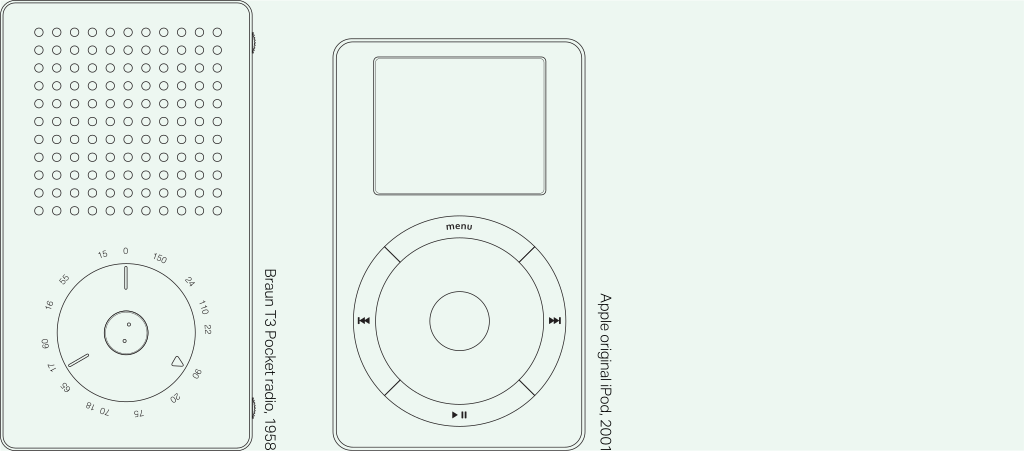
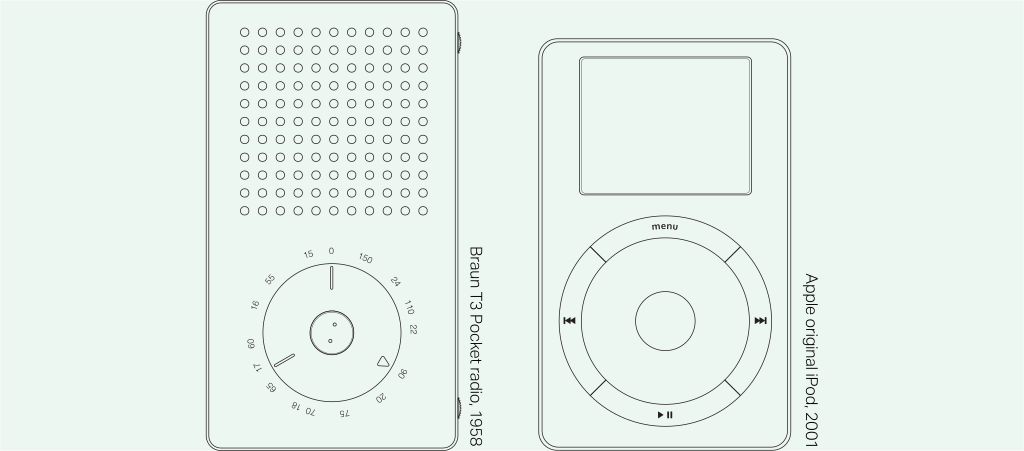
His work is perhaps best personified by one of his own much-repeated mantras “Less, but better”. Across products ranging from hairdryers to record players and portable radios to food-mixers, Rams’ aesthetic restraint is ubiquitous. All exemplify his famed “10 principles for good design” and something from his catalogue of products will almost certainly be in your life today, be that a Braun electric toothbrush or the calculator on your iPhone.
Good design:
- should be innovative
- makes a product useful
- is aesthetic
- makes a product understandable
- is unobtrusive
- is honest
- is long lasting
- is thorough down to the last detail
- is environmentally friendly
- is as little design as possible
In speaking with Mark Adams, you can’t help but feel he quietly yet enthusiastically bears the burden of upholding those principles, not just in the Dieter Rams-designed Vitsœ shelving and furniture Adams owns the rights to manufacture and market, but in the very design and operation of the truly beautiful company he has built to facilitate that. In our view, he has built one of the most quietly authentic companies we know. He believes Rams also has an unwritten 11th rule: single-mindedness, and when we pass a bench with components arranged on top, you see the same in him.
He offers us the two parts of the component to appreciate the engineering quality. One is brass, the other steel – as you bring them together, the only friction is the air between them slowly escaping in the same way Apple engineers the boxes and lids of their iPhone packaging to slowly part. The quiet is important. Rams’s designs are quiet, using colour only sparingly and where it adds utility to the user experience. Their form always follows their function
The approach to the new Vitsœ production building is similarly quiet. The untrained eye might even suggest the exterior is remarkably ordinary. It could even be mistaken for a legacy building from the 1950s but instead is an antidote to its garish, wrinkly tin supermarket-shed neighbours. The building sits low and long in its setting, hunkering down into the landscape. The landscape is dramatically sculpted on two sides with undulating lawns, where meadow seeds burst into flower at various times of the spring and summer. At the northern end of the building lies a pétanque pitch, offering employees the chance to enjoy some fresh air and test their boule (or ball) throwing accuracy. The building is clad in soft grey, almost beige rectangular panels. It is clearly organised around a uniform but functional grid, punctuated with restrained glazing and industrial delivery doors.
In some ways, the simplicity of the exterior might do the building a disservice, masking what is hidden inside. But from the minute you enter, it’s hard not to be in awe of the quality of organisation and deliberation evident in the choice of the superstructure, materials and sheer volume of the space.
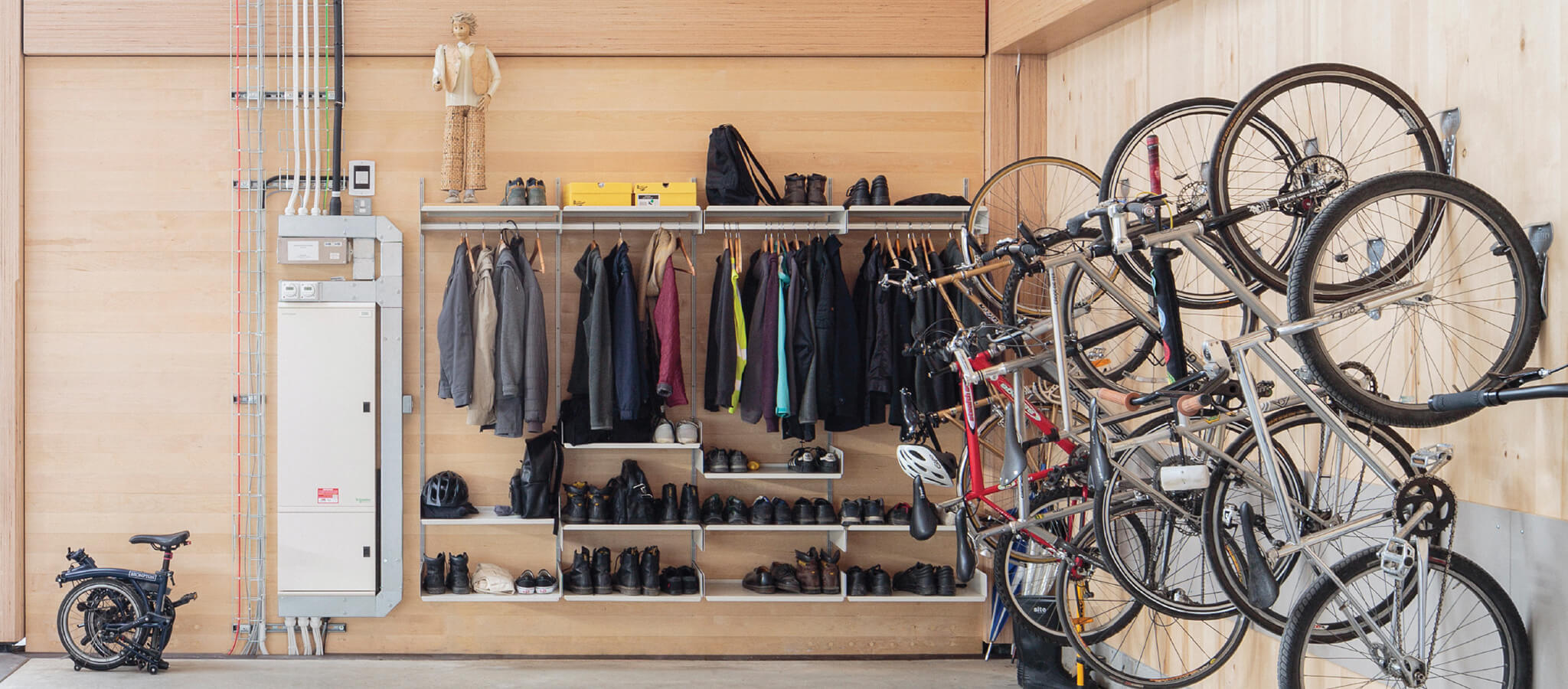
It says that every element of the building was considered and crafted rather than simply designed and built. Staff share the same entrance as visitors, and immediately off the entrance lobby is the bicycle storage. There are more bikes in the bike store than cars in the car park, and Adams is proud of that, seeing it as evidence of Vitsœ’s desire to tread lightly on the planet. Adams is also keen to point out more would ride to work if cyclists were better segregated on the surrounding roads. “It was safer riding to the London building than it is here,” he quips.
From this lobby airlock you walk straight into the cavernous main space. It immediately feels way bigger than the building externally suggests – it is 135m long, 25m wide and 6m high with unobstructed views from one end to the other. There are small glimpses of galvanised steel in the roof structure, but everywhere else, the fabric of the building is engineered from laminate-veneer lumber (LVL) columns and beams infilled with structural cross-laminated timber panels, both as ceiling and wall panels. The space has the industrial confidence of a great Victorian train shed with a visual softness and material warmth that says craftspeople cut and connected these materials with care. The wooden surfaces are all uncoated, giving an almost Scandinavian feel with so much exposed wood, while fulfilling another of Adams’ objectives: no paintbrushes.
As we wander through the space, this care is evident everywhere you look. Adams talks of his university studies in biology and keen interest in evolutionary science, and how he wanted the building to evolve with. This business. Spare 7.5m long laminated beams are stacked neatly here and there, ready to be inserted into the structure when and where necessary as the team live with the building and adapt it to iterate or improve a process.
Craftsmanship is evident everywhere, from the chamfered lower corners of the laminated wooden columns to the red electrical wiring that is so precisely organised and aligned as to look more like feature stitching on a finely tailored suit than industrial infrastructure. The heated, polished concrete floor has the look of a contemporary Manhattan museum. The concrete is divided on the structural grid of the building by dark phenolic plywood panels that conceal service ducts. The handle cut-out in each panel matches those on the drawer fronts of the Vitsœ 606 Universal Shelving System cabinets.
The visual simplicity and restraint of the palette of materials is incredibly calming. Wood, glass, concrete, aluminium and a few transparent industrial PVC strip curtains – that’s pretty much it. The reverence for how and where each is deployed is striking.
Adams then points out one of his own recent design additions. The columns each have a standardised groove routed into them that allows electrical conduits to be set in flush. On days the building is opened to public visitors, his colleagues found they needed to barrier off certain areas for safety reasons. Rather than reverting to a standard freestanding tensile barrier system, Adams proudly conceived a bespoke fixing that locks into the groove, combining a chandler’s eyebolt with the principle of a mountaineer’s expansion bolt he had 3D printed.
Adams then points out that even on the grey day we visited, they had almost no need for artificial lighting. The central axis of the building is oriented North-South, and the zig-zag roofline presents 16 huge, glazed rooflights at 40-degree angles northwards, bathing the space in natural light year-round.
The openable windows allow natural ventilation, and externally the opposingly angled southward facing roof accommodates photovoltaic panels that power the electrical services. On a bright day, surplus power is sold back to the grid. Adams likes the fact that the building will be warmer in summer, cooler in winter, and believes his colleagues’ immune systems will be happier because they are exposed to daylight throughout daylight hours.
At the northern-most end of the space are two further features that speak to the culture of the organisation. The first is a permanent exhibition of Dieter Rams’ Braun consumer products, and beyond that lies the staff dining area and catering kitchen. The school handbell rings from here at 10:00 for morning break and at 12:45 for lunch…together.
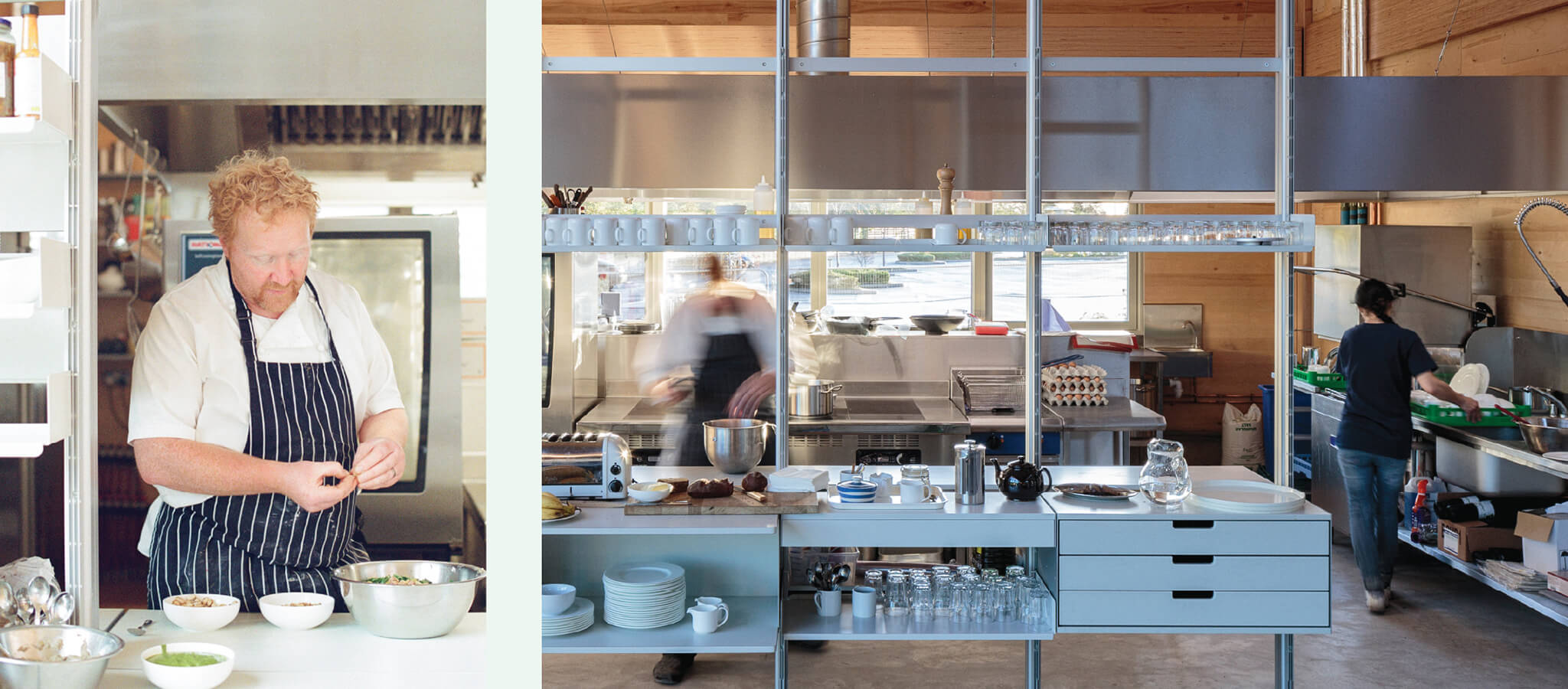
Vitsœ’s chef Will Leigh, formerly executive chef at the Royal Shakespeare Company, is busy laying out lunch. The chef’s pass is of course a transparent wall of Vitsœ shelving with today’s grilled trout or Asian tofu, creating a queue within seconds of the bell ringing. The shelving offers up the self-service food display and crockery more akin to a Michelin starred restaurant than a production building. The top of the shelves holds a collection of random jams and pickles – staff can bring in excess garden produce and Leigh does his magic, turning them into accompaniments to avoid food waste. We dine on long benches with glassware, water jugs and cutlery grouped like a school dining hall. And we’re joined at lunch by Sylvie Dorel and Nicholas Hill. In any other business Dorel would be called the head of HR, but here she is known simply as the facilitator. Hill would probably be labelled with a “customer success” title but instead is customer and supplier ambassador, a role he admits is still in development but effectively representing the interests of both in all aspects of product development and supply.
We talk about their recruitment processes, company culture, exceeding expectations – oh, and home working. Dorel is not a fan.
“Don’t come to an interview and be amazed by our culture, our people, our building and our amazing food, and then say you would like to work from home. This is a production building, and we make things, and we believe we should be around the colleagues who are the makers of those things and who can’t work from home. We learn from each other because we are here with each other, together.”
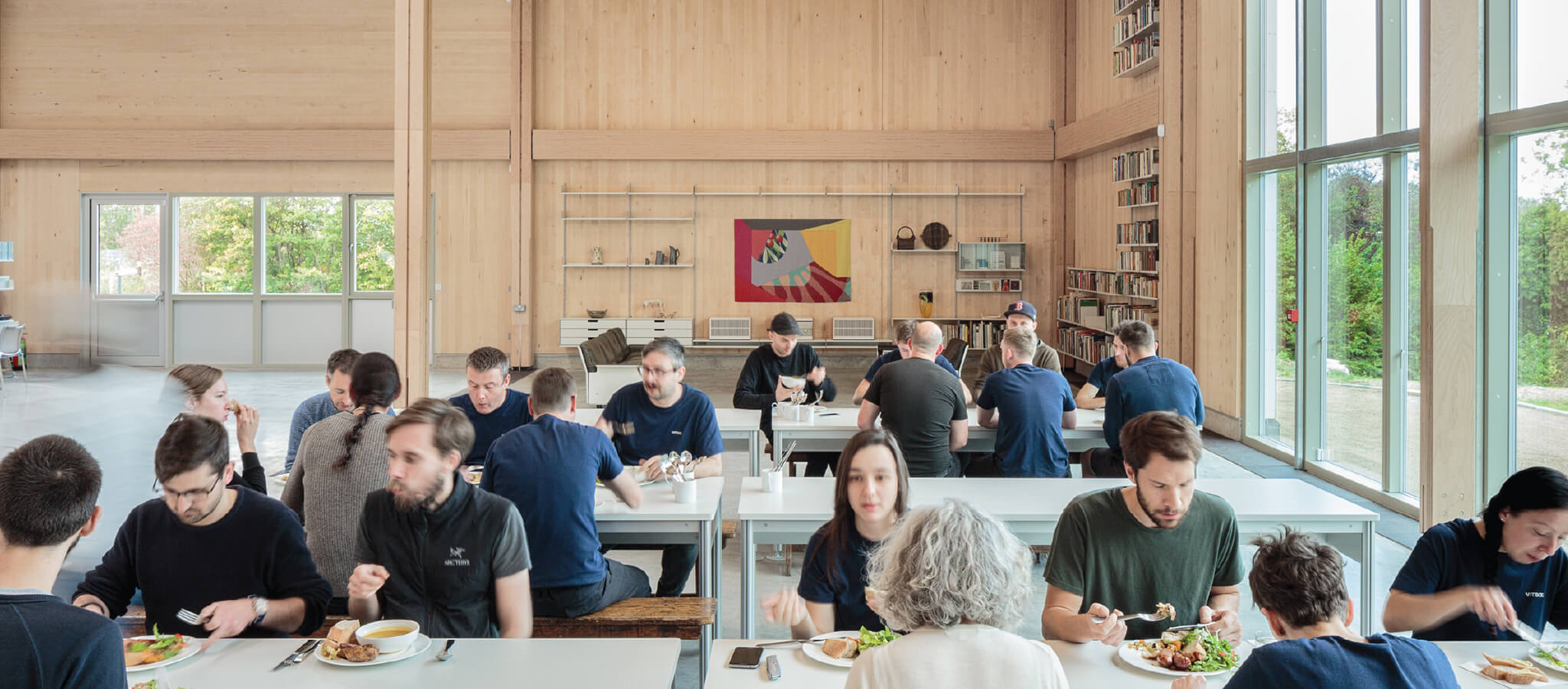
Adams looks around and comments: “Look, no phones anywhere. Just conversations. How refreshing is that?” We ask them “What does success look like in say 18 months’ time?” Adams’s answer is interesting. He wants to make the product more accessible. Some of what makes Vitsœ’s brand so strong also risks making it look aloof and expensive. He wants more younger buyers to see that say a simple home workplace installation of a desk and a few shelves is an investment that can be added to over time. It might grow with additional shelves and move into a living space or a child’s bedroom (the wall mounted track means desk heights can be adjusted progressively upward as the child grows).
The possibilities are pretty much endless and the cost over time is way less expensive than the melamine-faced chipboard mass-produced flat-pack alternatives, not to mention significantly less detrimental to the environment. As we walk back along the full length of the building, he adds that success also looks like less packaging. While huge efforts have been invested in beautifully crafted bespoke birch plywood stillages (specialist crates used across industrial manufacturing to transport components) and reusable quilted fabric packaging (a little like those insulated fabric boxes pizza delivery riders strap to the back of their mopeds), he remains frustrated at the volume of protective cardboard used shipping products to customers. He is clearly irritated that the world has its eyes on recycling, when in his view the target should be on reuse. He then shares an idea he’s cooking up for inflatable returnable packaging…
So, why aren’t more buildings made like this, and why aren’t more companies made like this? We suspect there aren’t enough leaders like Mark Adams. And there is a UK construction industry for whom there is a vested interest in resisting pre-fabrication and off-site manufacturing, who prefer to do things the way they know, involving protracted construction programmes accommodating numerous “wet trades”, whose individual interest in the end product is fleeting at best. But this traditional approach is under pressure, not least because of a national skills shortage. And Vitsœ’s building further exposes those legacy processes as outdated – their space is anything but faceless and ordinary.
And authenticity also resonates with a new generation of employees who expect that what their employer says is what their employer does. That’s one of the reasons we have been brought in to work with both leadership teams and real estate teams to help them home in on what makes them authentic and how they can manifest that authenticity to the wider business.
We’ve seen companies lavish self-praise on sterling efforts to smash sustainability goals while serving visitor beverages in disposable cups held in a fast-food cardboard cup tray with copious quantities of sugar sachets and wooden stirrers for visitors who don’t take sugar. We’ve seen carbon reduction targets quoted and then workplace locations chosen that require employees to drive or be bussed to the office. We’ve seen leadership teams say they take inclusivity seriously, sat in a room that could never accommodate more than one wheelchair user.
Workplaces like Vitsœ’s building in Royal Leamington Spa exude a sense of who Vitsœ are. It is impossible to be there and not absorb what they stand for, how they operate and their rules of engagement. At Aéto, we know having an authentic and strong sense of self-identity is a critical factor in successfully building workplaces that offer employees outstanding experiences, and we are helping business leaders do just that.